ServicesHome Buying Help
Home Buying Help in Sutter Creek
We help you buy a house knowing what you are actually getting. Before you commit, we pull the building department records, read the disclosures line by line and raise the septic, well and wiring questions worth asking, so an inspection report does not surprise you after you sign.
Buying with the building and the paperwork checked
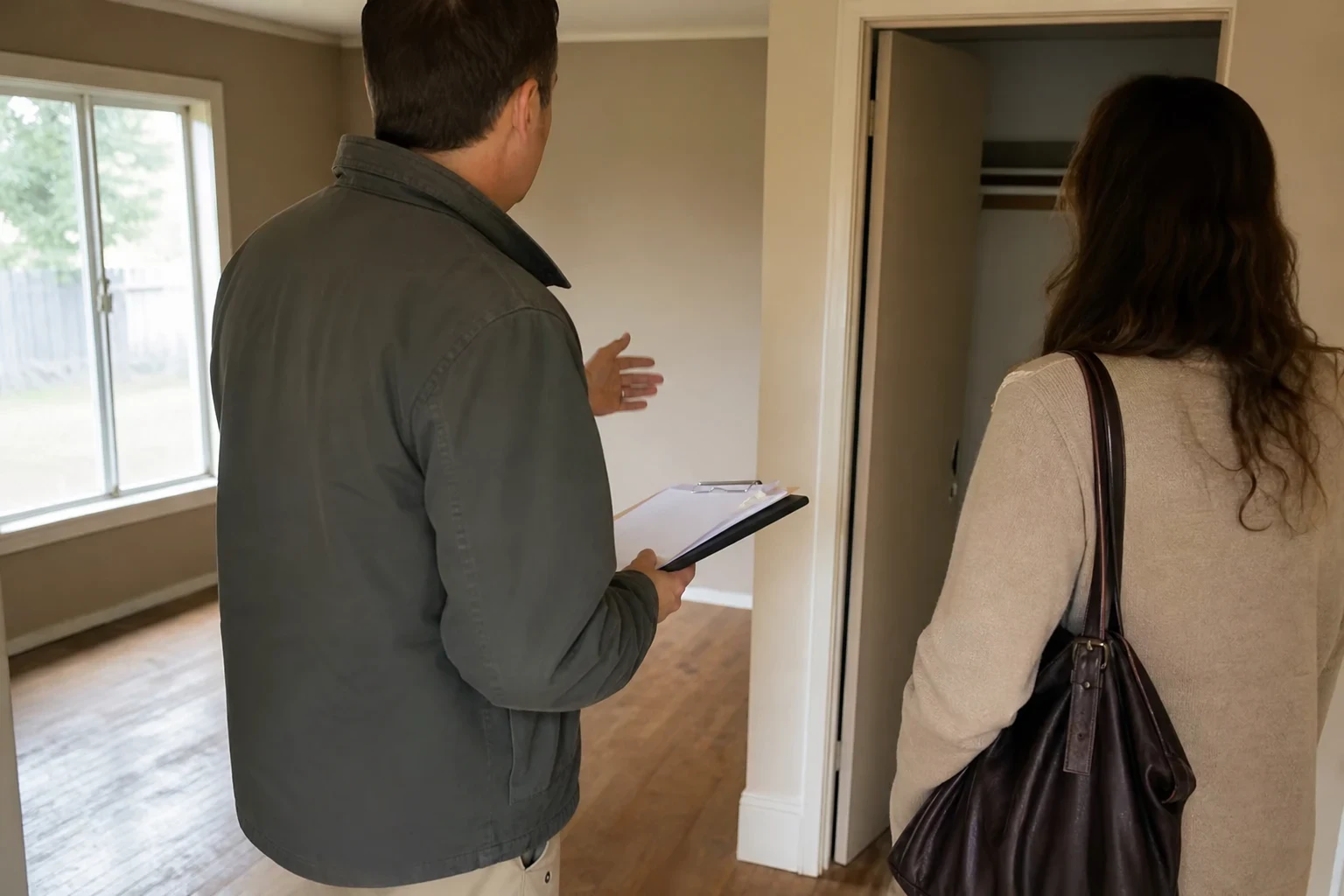
Home buying help is our side of the deal for people purchasing rather than selling. We help you compare houses, write and negotiate the offer, and stay with you through inspections and escrow until the keys change hands. The part we spend the most time on is the part many buyers learn about too late: whether what stands on the lot matches what the building department actually approved.
Older Gold Country houses often carry decades of owner work. A garage turned into a bedroom, a deck set on footings nobody inspected, a wood stove on a hearth that never met clearance rules. None of that has to end a purchase. It does change what you should pay, what an insurer will cover and what you may have to correct before the building department signs off on your own projects later.
We work from our office, or by phone and video when your schedule is tight.
What our home buying help covers
Building record pull
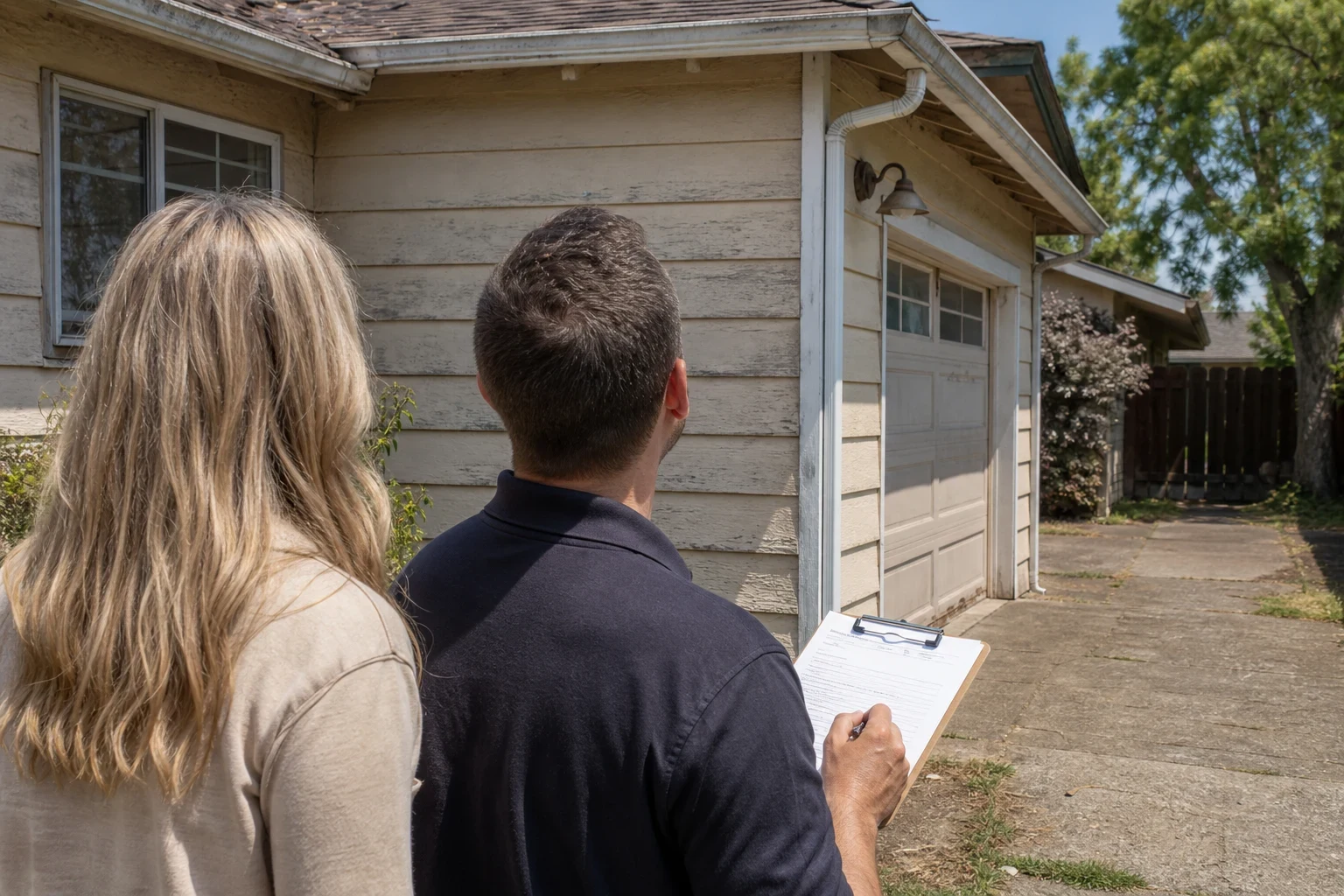
We request the records for the address from the city or county building department, depending on where the parcel sits, and compare them with the rooms and square footage advertised. When a bedroom or bathroom has no record, you hear about it before you write an offer.
Disclosure review
California sellers provide a Transfer Disclosure Statement and a Natural Hazard Disclosure, and often a longer questionnaire. We read them with you and flag soft answers, like "unknown" next to the roof age or a remodel mentioned with no permit noted.
Septic and well questions
Many properties outside town run on a septic system, and some on a private well. We help you line up a septic inspection that includes pumping and a look at the leach field, plus flow and water quality tests on a well. A failed leach field is one of the costliest surprises in a rural purchase.
Offer and contingencies
We write the purchase agreement with inspection, appraisal and loan contingencies sized to what the property needs. That keeps your right to renegotiate or walk away if a report turns up a real problem.
Repair requests that hold up
When inspections find issues, we put credits or repairs in writing. For work that needs a permit, we ask that it be finaled by the building inspector, not just signed off by the seller's handyman.
Point-of-sale safety items
California requires smoke alarms, carbon monoxide alarms and a seismically strapped water heater when a house sells. We confirm those are handled, and in high fire hazard zones we check the defensible space paperwork the seller is required to provide.
Signs a purchase needs a closer look
- The square footage doesn't match
- If the advertised size is bigger than the county assessor's record, something was likely added. Sometimes it was approved and the records lag. Often it was not.
- A garage or porch became living space
- Conversions are common in older houses here. Without a permit, an appraiser may not count the room, and a lender may require changes before funding.
- The lot has septic or a well
- A seller saying the system works fine is not an inspection. Leach fields fail slowly, and well output can drop in late summer.
- It's a probate or estate sale
- Estates usually sell as-is, and the people handling the sale may know little about the house's history. Disclosures tend to be thin, so independent inspections carry more weight.
- You plan to remodel after closing
- When you apply for a permit, the inspector looks at what is already there. Uninspected wiring or plumbing behind a wall can become your cost to open up and correct.
How buying with us works
- 1
A first phone conversation
We talk through your budget, loan type, timing and where you want to be, whether that is Sutter Creek, Jackson, Ione or Pine Grove. We also ask what you plan to do with the property, since that decides which building questions matter most.
- 2
Checking a property before you offer
For any house you are serious about, we review building department records, assessor data, the fire hazard zone and whether it runs on septic or a well. You get a plain summary of what looks clean and what needs questions answered.
- 3
Writing and negotiating the offer
We set price, terms and contingency periods based on that review. A house with an addition nobody inspected gets a longer inspection window than a recently finaled remodel.
- 4
Inspections and repair requests
We help schedule the general inspection, a wood destroying pest report, and septic, well, roof or chimney inspections where they apply. Then we negotiate repairs or credits in writing.
- 5
Escrow to keys
We track the appraisal, loan conditions and title through escrow. At the final walk-through we confirm agreed repairs were done and any required inspections were finaled before you sign closing papers.
What moves the cost of buying
How we are paid is spelled out in a written agreement you sign before we start touring houses together, which is now standard practice, so compensation is never a guess. Beyond that, your total cost to buy includes inspections, escrow and title, and loan charges. A few things push those numbers up or down.
- How many inspections you need
- A house on city sewer may need a general and pest inspection. A rural property can add septic, well, roof and chimney reports, each billed separately by the inspector.
- Work done without sign-off
- If a room or system was never inspected, you may want a contractor's estimate to legalize it before closing. That cost shapes your offer or your credit request.
- Loan type
- FHA and VA appraisals carry property condition requirements, such as peeling paint or missing handrails, that can trigger repairs before funding. Conventional loans tend to be less strict on condition.
- Fire zone and insurance
- In higher fire hazard areas, insurance can be harder to place and more expensive. We suggest getting quotes during the inspection period, while you can still adjust.
- How costs are split
- Who pays escrow fees, title insurance and the transfer tax is negotiated in the contract. Those terms vary from deal to deal.
Questions buyers ask us
- Can I buy a house that has unpermitted work?
- Yes, and many people do. The questions are whether your lender and insurer will accept it, whether the appraiser counts the space, and what it would cost to legalize. Common outcomes are a lower price, a seller credit, or the seller getting the work inspected and finaled before closing.
- Do I need a septic inspection if the seller says the system works?
- We recommend it. A proper inspection pumps the tank, checks the baffles and looks at how the leach field is draining. A system can flush fine on the day you visit and still be near the end of its life.
- What is a Section 1 item on a pest report?
- California pest reports split findings into two groups. Section 1 covers active infestation or damage, such as termites or dry rot, and Section 2 covers conditions likely to lead to it, like a plumbing leak under a floor. Lenders often want Section 1 work cleared before funding, so it is usually part of the repair negotiation.
- Will an old wood stove cause problems?
- It can. Insurers and inspectors look at clearances to walls, the hearth pad and whether the install was ever inspected. We flag it early so you can get an insurance answer before your contingency period ends.
- How do you get paid when I'm buying?
- It is set out in the written agreement you sign with us at the start. Compensation may come from the seller as part of the negotiated deal or from you, and the agreement states the terms plainly before we write any offer.
Ask the building questions before you sign
Tell us about the house you are considering, or the kind of property you want. We will explain which records and inspections matter for it and how we would approach the offer.