ServicesHome Selling
Home Selling in Sutter Creek With Records and Disclosures in Order
We help you sell on the open market with the paperwork that trips up most sales handled up front: the county building file, required safety devices and California disclosure forms. You know what a buyer's inspector will see before they see it, and you decide how to handle each item.
What we do when you sell with us
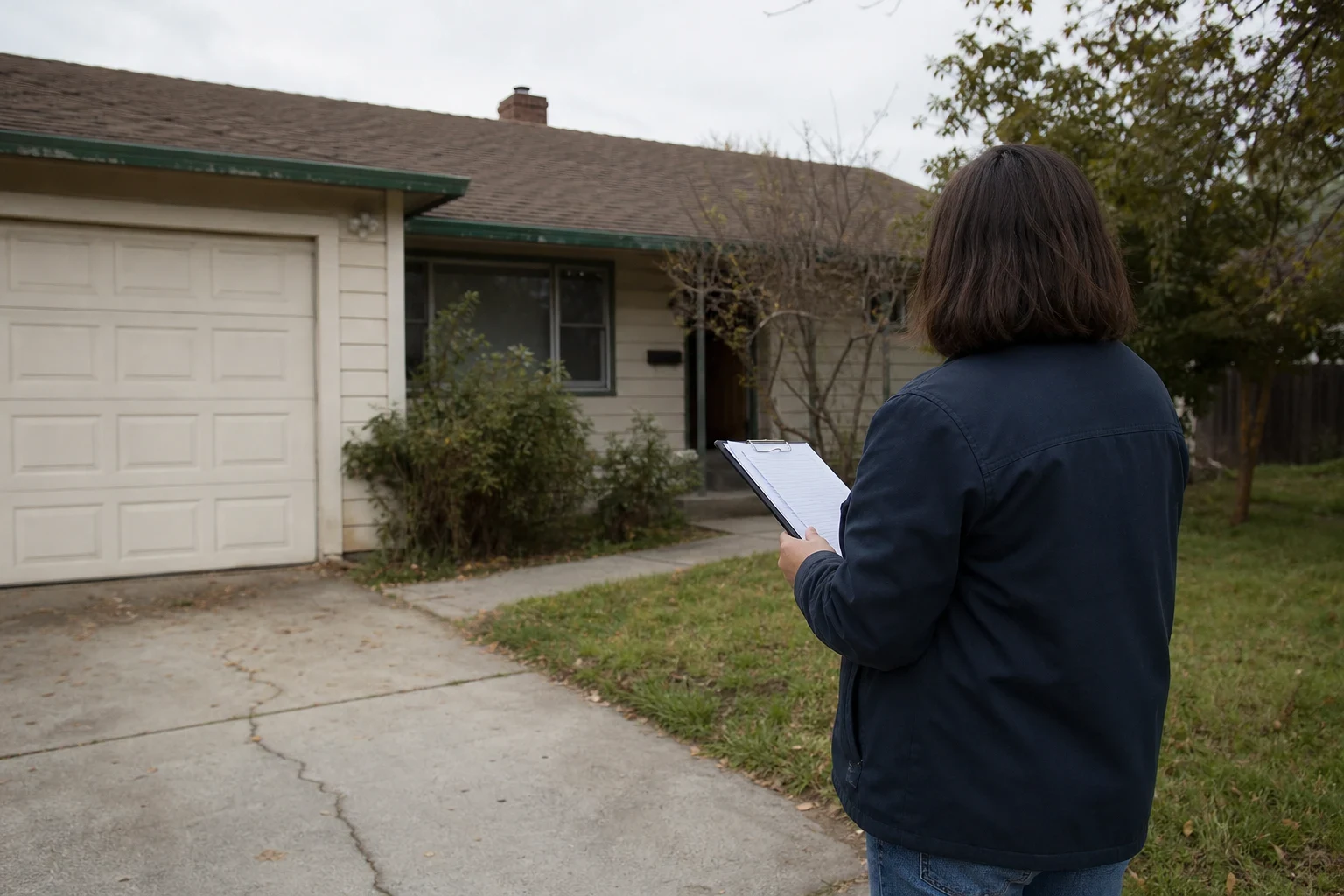
We set a price from recent nearby sales, prepare the property and the paperwork, market it to buyers, negotiate the offers and manage escrow through closing. Most of that is familiar. Where we spend extra time is the part that usually surfaces late: a garage converted without sign-off from the county building department, a water heater missing its seismic straps, or smoke alarms that do not meet current state rules.
Buyers in California get an inspection contingency, and their inspector writes down everything. When a report lists work with no county approval or missing safety items, the buyer asks for credits or walks. Finding those items first gives you options: fix them, document them or disclose them and price accordingly. Each of those is cheaper than renegotiating in the middle of escrow.
We meet at our office or work with you by phone and video, so you do not have to be on site for every step.
What the work includes
Permit history review
We pull the building record for the parcel from the county and compare it with what is actually there. Additions, decks, re-roofs and electrical panel upgrades that have no matching record get flagged so you can decide what to do before a buyer asks.
State-required safety items
California requires smoke alarms and carbon monoxide alarms in specific locations and seismic strapping on water heaters at sale. We walk you through each requirement and the compliance statement you sign, so it is done correctly rather than guessed at.
Disclosure preparation
We help you organize the Transfer Disclosure Statement, the Natural Hazard Disclosure report and the seller questionnaire. Clear, complete disclosures protect you after closing and cut down on buyer questions during escrow.
Fire zone and defensible space
Much of the foothill area sits in mapped fire hazard severity zones. Where the property falls in a very high zone, state law calls for defensible space documentation at sale, and we explain how to get the inspection and what it covers.
Pricing, marketing and offers
We set the price from comparable sales, market the property, and lay out each offer side by side: price, loan type, contingency periods and closing date.
Escrow management
We track inspection, appraisal and loan deadlines and handle repair requests as they come in.
Signs it is time to get help with your sale
- Work was done without permits
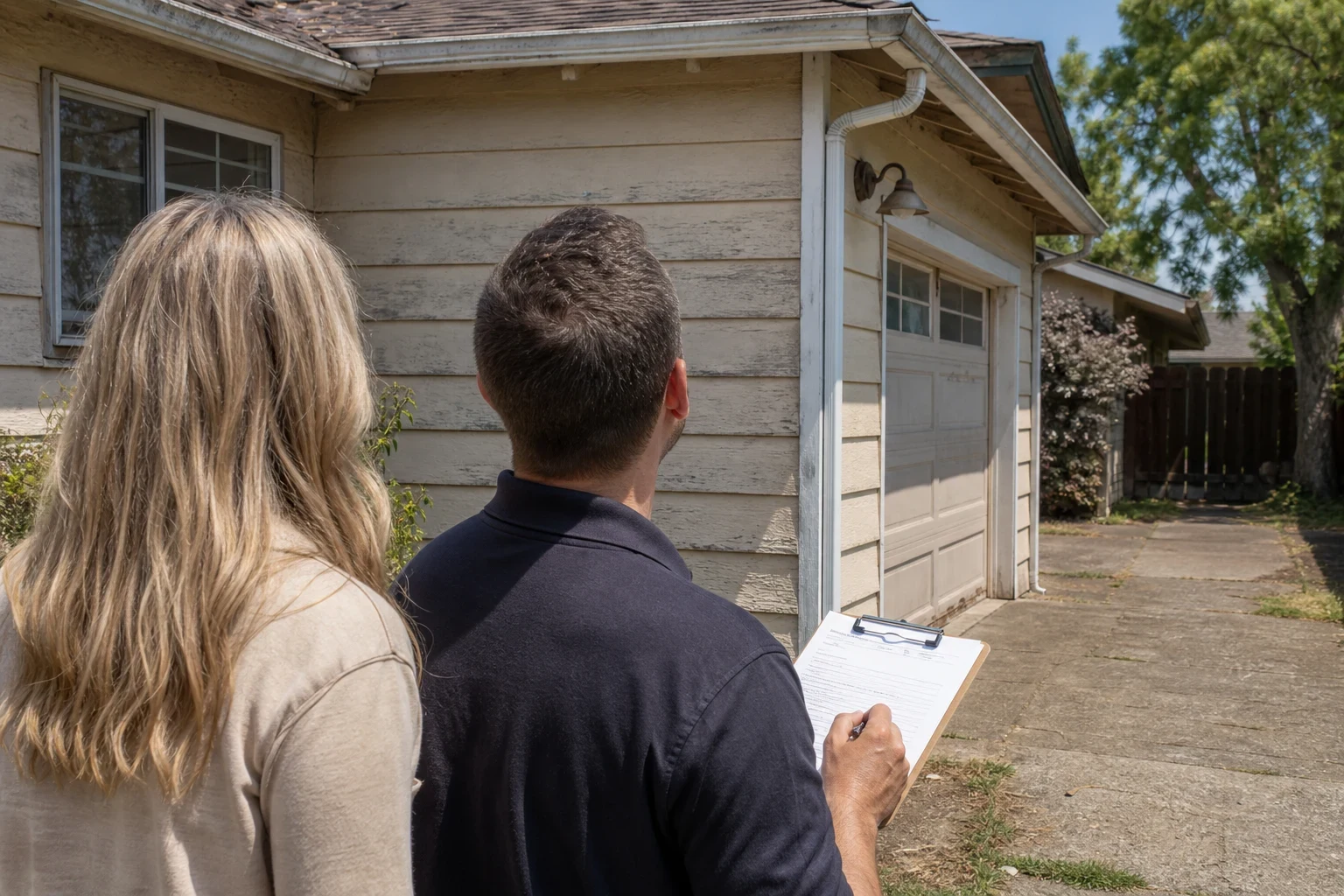
- A finished basement, an enclosed porch or a second bathroom added years ago often has nothing on file with the county. A buyer's lender or inspector will notice, and it is better to have a plan before that happens.
- The house is older or historic
- Older wiring, galvanized supply lines and original wall heaters show up on almost every inspection report for older foothill houses. We help you decide which to address and which to disclose.
- A past sale fell through
- If a buyer backed out after inspection, the same report findings will come up again. We start with that report and build the next sale around it.
- You are not sure what you must disclose
- Sellers often worry about saying too much or too little. We go through the forms line by line so the answers are accurate.
- Septic or well on the property
- Rural parcels outside town often have private systems. Buyers and lenders usually want inspections of the septic tank and well, and knowing the condition early avoids surprises.
How a sale runs from first call to closing
- 1
First conversation
You call and tell us about the property, your timing and anything you already know is wrong with it. We talk through it by phone, by video or at our office.
- 2
Records and condition check
We pull county building records and go over the property's condition with you, room by room and system by system. You get a written list of likely inspection items and code questions.
- 3
Price and preparation
We set a price from recent sales and agree on which items to repair, document or disclose. Disclosure forms get completed before the property goes on the market.
- 4
Marketing and offers
We market the property and present every offer with its terms explained. You choose which to accept and which to counter.
- 5
Escrow to closing
We manage inspections, the appraisal, repair negotiations and loan deadlines until the deed records and the sale closes.
What moves the cost of selling
Our commission is set in our written agreement and discussed openly on the first call. The other costs of a sale depend mostly on the property's condition and what its paperwork shows. Knowing those items early is how you keep them predictable.
- Unpermitted work
- Legalizing work after the fact can require opening walls for inspection or bringing it up to current code. Sometimes disclosing and pricing for it costs less, and we help you compare.
- Required safety items
- Alarms and water heater straps are inexpensive. Larger items, like replacing an old electrical panel, change the math more.
- Repair requests and credits
- Most buyers ask for something after inspection. A clean pre-sale picture usually means smaller requests.
- Escrow, title and reports
- Escrow fees, title insurance, transfer tax and the hazard disclosure report are standard seller costs. How they split between buyer and seller is part of the negotiation.
Questions about selling with us
- Can I sell a house with an unpermitted addition?
- Yes. You can legalize the work through a retroactive permit, or you can disclose it clearly and price with it in mind. Some buyers' lenders will not count unapproved square footage, which affects the appraisal. We help you weigh both paths before you decide.
- What happens if I change my mind about selling?
- You can cancel your agreement with us at any time before you go under contract, with an easy exit. Once you accept an offer and open escrow, the purchase contract with the buyer governs what happens next.
- Do I have to fix everything an inspector might find?
- No. California generally requires certain safety items, such as smoke and carbon monoxide alarms and water heater bracing, plus honest disclosure. Most other items are negotiable. We help you sort what is required from what is optional.
- Do I need to meet you at the property?
- Not always. We work at our office or by phone and video, and many sellers handle most steps remotely. We do need access for photos, inspections and the appraisal, and we coordinate those with you.
- Do you work outside Sutter Creek?
- Yes. We help sellers in Jackson, Ione, Pine Grove, Rancho Murieta, Buckhorn, San Andreas and the surrounding area.
Know what the inspector will find before you sell
Tell us about the property and your timing. We will go over building records, safety items and disclosures with you and explain how we would price and market it.