ServicesInherited & Probate Houses
Selling an Inherited or Probate House in Sutter Creek
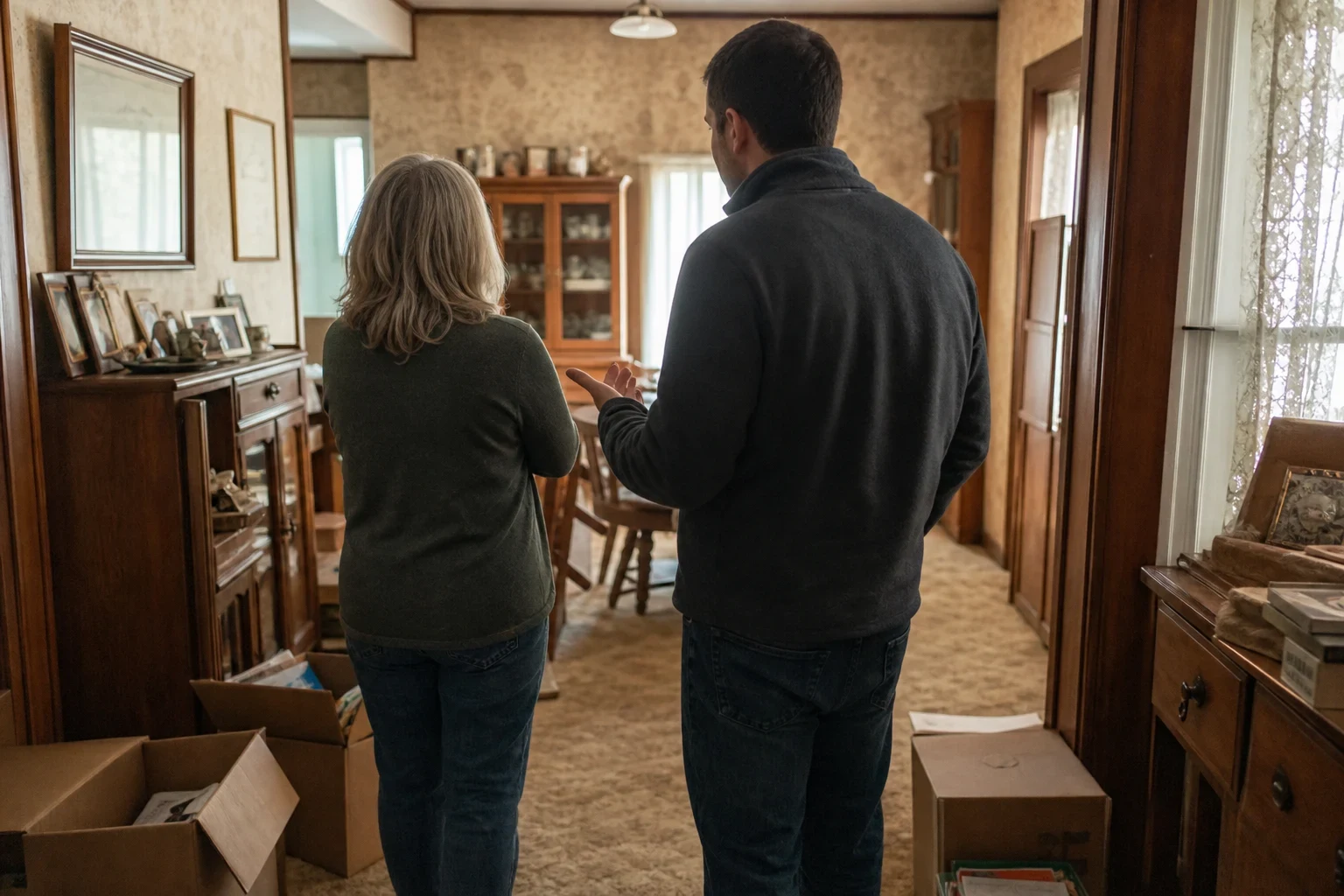
An estate or trust sale has steps that must happen in a set order. We confirm who has authority to sign, help prepare the disclosures, and check California sale requirements like smoke alarms and a strapped water heater early, so a buyer's inspector finds fewer surprises.
What selling an inherited house actually involves
An inherited property can only be sold by whoever holds legal authority over it. That is an executor or administrator if the estate is in probate, or a successor trustee if the house was held in a living trust. We start by confirming which one you are and which documents prove it, such as Letters Testamentary or a certification of trust, because a title company will not close without them.
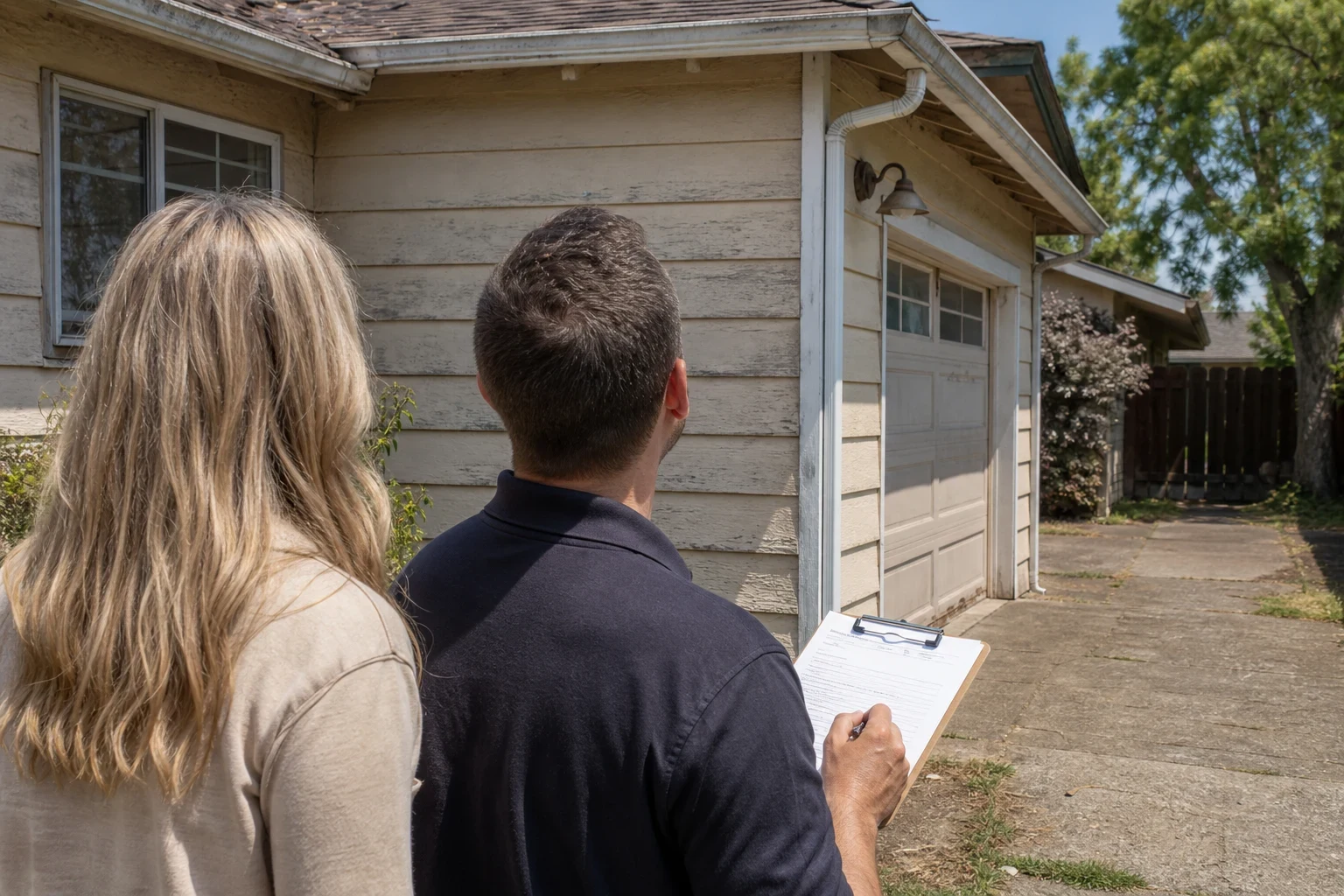
Then we look at the house itself. Many properties around Sutter Creek and Jackson were built decades ago and added onto over time, so a garage conversion or an enclosed porch may never have had a permit. We explain what that means for disclosure and for a buyer's lender, and what can simply be documented instead of fixed.
If probate is open, your attorney handles the court filings. We work alongside them on the sale side so the timing, the notices and the offers line up.
What we handle on an inherited or probate sale
- 01
Authority and title check
We confirm who can sign, whether the estate has full or limited authority under the Independent Administration of Estates Act, and whether court confirmation will be required. That one answer changes the whole timeline.
- 02
Disclosure package
Personal representatives selling through probate are often exempt from the standard Transfer Disclosure Statement. Known material facts still have to be disclosed, so we help you put in writing what you and the family know about the property.
- 03
California point-of-sale items
State law expects working smoke alarms, carbon monoxide alarms where there is a gas appliance or attached garage, and a water heater braced with seismic strapping. We check these early because they are inexpensive to correct and easy for a buyer to flag.
- 04
Permit history review
We compare what the county has on file with what is actually standing. Additions, decks or wiring changes without a permit get noted so you can decide whether to legalize, disclose or price around them.
- 05
Pricing from comparable sales
We price from recent sales of similar properties nearby, adjusted for condition. The number holds up if a court or a beneficiary asks how it was reached.
- 06
Coordination with the estate attorney
We share offers, deadlines and escrow documents with your attorney as they come in. Nobody learns about a key date after it has passed.
Questions about Inherited & Probate Houses?
Call(209) 414-1542Signs it's time to get help with the estate property
You were just named executor or trustee
The court has issued letters, or you found yourself named in a trust, and the house is now your responsibility. A short consultation sorts out what you can do now and what has to wait.
Several heirs, one house
When siblings disagree about selling or keeping, a written market value and a clear list of what the house needs gives everyone the same facts. That tends to shorten the argument.
Additions nobody remembers permitting
A bedroom over the garage or a converted carport is common in older houses. Knowing whether it was permitted matters before a buyer's appraiser counts the square footage.
Carrying costs keep running
Property tax, insurance, utilities and upkeep continue while the estate is open. If no heir plans to live there, those bills come out of everyone's share.
Older systems you can't vouch for
Galvanized supply pipes, an aging septic system or a wall furnace nobody has serviced in years. You may not need to fix them, but you do need to know what you are telling a buyer.
How an inherited or probate sale runs, step by step
- 1
Phone or video consultation
We go over the estate documents, the heirs and whether probate is open. Bring what you have, and we will tell you what is missing.
- 2
Property and records review
We review the county permit file, check the point-of-sale items and note anything that needs disclosing. You get a written list, not a verbal impression.
- 3
Price, prepare and market
We set a price from comparable sales and agree with you on what, if anything, gets corrected first. If the estate holds limited authority, we explain the court confirmation hearing and how overbidding works there.
- 4
Offer, notice and close
With full authority, the executor accepts an offer and a Notice of Proposed Action goes to the heirs, who have at least 15 days to object. With a trust, the trustee signs directly. We coordinate escrow, the attorney and the title company through closing.
What affects the cost of selling an inherited house
Our compensation and the other selling costs are laid out in writing before you sign anything, and they are usually paid from the sale proceeds at closing. What varies from one estate to the next is the work around the sale. These are the factors that move it.
- Court confirmation or not
- A sale that needs court confirmation adds a hearing, a minimum overbid process and more weeks on the calendar. That can also mean more attorney time.
- Unpermitted work
- Legalizing an addition can mean drawings, county fees and inspections. Disclosing it instead costs nothing up front but usually shows up in the price buyers offer.
- Point-of-sale corrections
- Alarms and strapping are inexpensive. Older plumbing fixtures that don't meet California's water-conserving standards cost more to replace when there are several bathrooms.
- Belongings and deferred upkeep
- Furniture left behind and years of postponed maintenance affect both how long the sale takes and what buyers will pay.
Questions about inherited and probate sales
Can we sell the house before probate is finished?
Yes, once the court has issued letters to the personal representative. Many estates sell during probate, and the proceeds stay in the estate until distribution. With full authority, the sale usually goes forward without a court hearing.
Do we have to fix code problems before selling?
Generally no. California expects working smoke and carbon monoxide alarms and a strapped water heater at sale, and those are simple. Most other issues can be disclosed instead, and we will tell you which ones a buyer's lender is likely to require.
The house was in a living trust. Is that still probate?
Usually not. A successor trustee can sell without going to court once they show proof of authority. Title will typically ask for a certification of trust and a death certificate.
Do you replace our probate attorney?
No. We are real estate agents, not lawyers. Your attorney handles the court side, and we handle pricing, marketing, disclosures and escrow coordination.
What if the heirs change their minds after we sign with you?
Families change course during an estate, and that is understandable. Until a buyer's offer is accepted and the house is under contract, you can cancel with us and step away easily. After that point, the signed purchase contract sets the terms for what happens next.
We live out of state. Can we handle this remotely?
Most of the work happens by phone and video, from the first conversation through offer review. Escrow can usually arrange document signing where you live, so trips to Amador County are often unnecessary.
Sort out the estate house with a clear plan
Tell us what documents you have and what you know about the property. We will explain the next step, who handles it and what the county records show.